

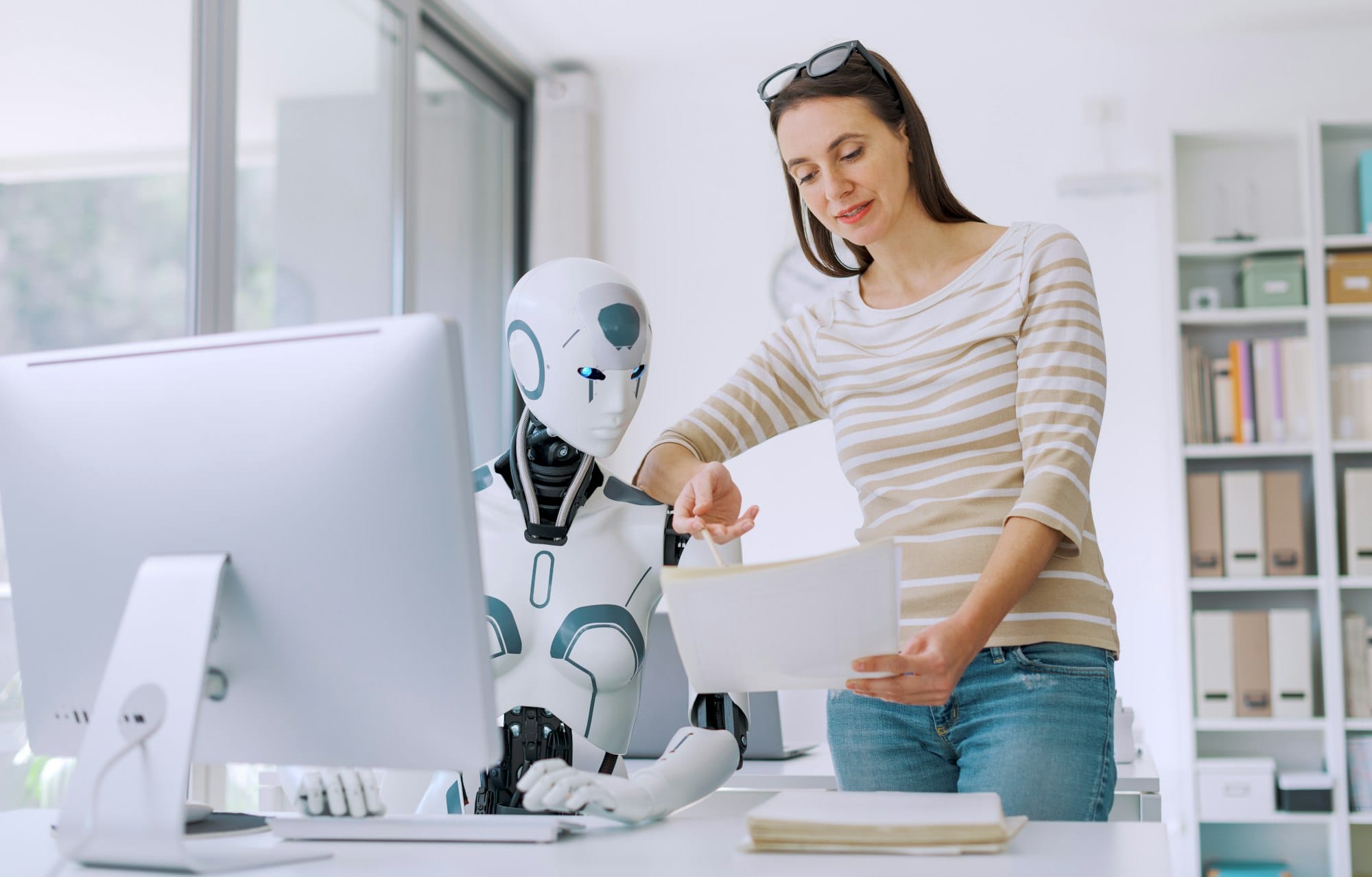
Deep Work in the AI Age
In today’s hyperconnected world, staying deeply focused is becoming an art that requires intentional practice. As artificial intelligence (AI) infiltrates every corner of our daily routines—from the emails we read to the background music that plays in our office—our brains are bombarded with stimuli that can easily pull us away from the task at hand. Yet the concept Cal Newport coined as “Deep Work” – professional activities performed in a state of distraction‑free concentration – remains more essential than ever. This article explores how you can harness AI to refine your focus, turning the digital age into an ally rather than a foe.
Deep Work in the AI Age: The New Landscape
The traditional workplace has always demanded periods of focused effort. What has changed is the nature of the distractions that compete for our attention. Social media, instant messaging, and the lure of constantly refreshed news feeds now crowd our schedules. AI, however, offers an unprecedented set of tools that can help us reclaim our attention. By integrating intelligent systems into our workflow, we can create an environment that adapts to our cognitive rhythms and systematically reduces interruptions.
AI‑Assisted Focus Sessions
Harnessing the predictive power of AI, several apps now analyze your work habits and recommend the most productive windows in your day. By scheduling your deep‑work blocks during these peak times, you align your energy with the task’s difficulty. Many of these tools also act as blockers—silencing websites, muting notifications, and telling your smartwatch to ignore incoming alerts—so that the only noise you hear is the one you choose.
Mindfulness with Machine Learning
Mindfulness isn’t a new concept, but AI is personalizing it like never before. Meditation apps that use machine learning gauge your heart rate variability, voice tone, and even facial expressions to tailor guided sessions to your current stress level. A few minutes of AI‑choreographed breathing before a complex problem can pre‑condition your brain for sustained focus.
Biofeedback‑Enhanced Concentration
Wearable EEG headbands and smart watches provide real‑time readings of your physiological state. When your mind begins to drift—perhaps indicated by a dip in heart rate variability or a spike in alpha waves—the system can trigger gentle reminders, pop‑up nudges, or even shift your environment. By learning the cues that precede distraction, you can intercept wandering thoughts before they derail your deep work.
AI‑Curated Background Soundscapes
Contrary to the myth that silence is the only path to focus, many find certain background noises more conducive to concentration. AI can generate or select the ideal soundtrack—ranging from white noise to natural recordings—based on your current cognitive load and task type. As you progress, the algorithm adapts, ensuring you stay in a steady flow without the need for manual tweaks.
Pomodoro Technique 2.0
The classic Pomodoro—25 minutes of work followed by a 5‑minute break—gets a smart upgrade when augmented by AI. Modern timers learn your personal rhythm, suggesting longer or shorter work bursts that align with your energy peaks. Integrated with task management apps, these timers can automatically flag high‑priority deadlines, so your pomodoros are always strategically placed.
Virtual Reality (VR) Focus Pods
Immersion is a powerful antidote to distraction. VR platforms now offer “focus pods” that transport you to a quiet library, a mountain summit, or a minimalist studio with no real‑world interruptions. AI governs lighting, ambient sound, and even the recommended pacing of your VR session, ensuring that the environment remains conducive to sustained attention.
AI Writing Assistants for Flow Preservation
When the task is content creation, an AI writing assistant can detect incomplete thoughts or stylistic inconsistencies that might pause your creative flow. By providing instant suggestions, it frees your brain from grammatical minutiae, letting you keep the narrative moving. Few writing tools come close to balancing real‑time assistance with flow preservation.
Smart Workspace Optimization
Beyond mental focus, the physical environment plays a pivotal role. Smart lighting, temperature controls, and audio systems that respond to your schedule can be fine-tuned by AI. By detecting when your concentration wanes—through subtle changes in posture captured by cameras or sensors—these systems can adjust ambient conditions to reignite your focus.
AI‑Driven Habit Formation
Consistency is the bedrock of deep work. AI habit trackers use reinforcement learning to identify patterns, countdown to milestones, and deliver micro‑nudges when you deviate. By framing deep work as a habit rather than a sporadic event, you cultivate a resilient routine that withstands external crises.
Cognitive Enhancement Through Nutrition and Exercise
Your brain's capacity to sustain focus is intimately linked to its physical nourishment. AI‑powered health apps analyze your metabolic data, sleep cycles, and workout intensity to generate personalized meal plans and exercise regimens. Imagine a diet rich in omega‑3s timed around your longest deep‑work block or a light cardio session post‑work to boost neurotransmitter flow.
Digital Detox with a Technological Twist
It might sound paradoxical, but technology can help us unplug. AI applications can gradually taper your screen time, recommend engaging offline activities, and even re‑schedule your inbox intake. The result is a more mindful relationship with technology that leaves room for genuine creativity.
Collaborative Deep Work
Teams can also benefit from AI coordination. Project management tools equipped with scheduling engines can orchestrate overlapping focus periods among members, minimizing interruptive meetings. By aligning collective deep‑work windows, you preserve the synergy that comes from undisturbed collaboration.
Conclusion
Deep Work in the AI Age is not about abandoning human ingenuity; it’s about amplifying our natural discipline with intelligent systems that adapt to our rhythms. By weaving together AI‑assisted focus sessions, mindfulness, biofeedback, adaptive soundscapes, and smarter work environments, we can reclaim the uninterrupted concentration that transforms good work into great work. Experiment with these techniques, refine them to fit your unique workflow, and soon the AI‑intel of your surroundings will support, rather than distract, your quest for deep, meaningful output.