

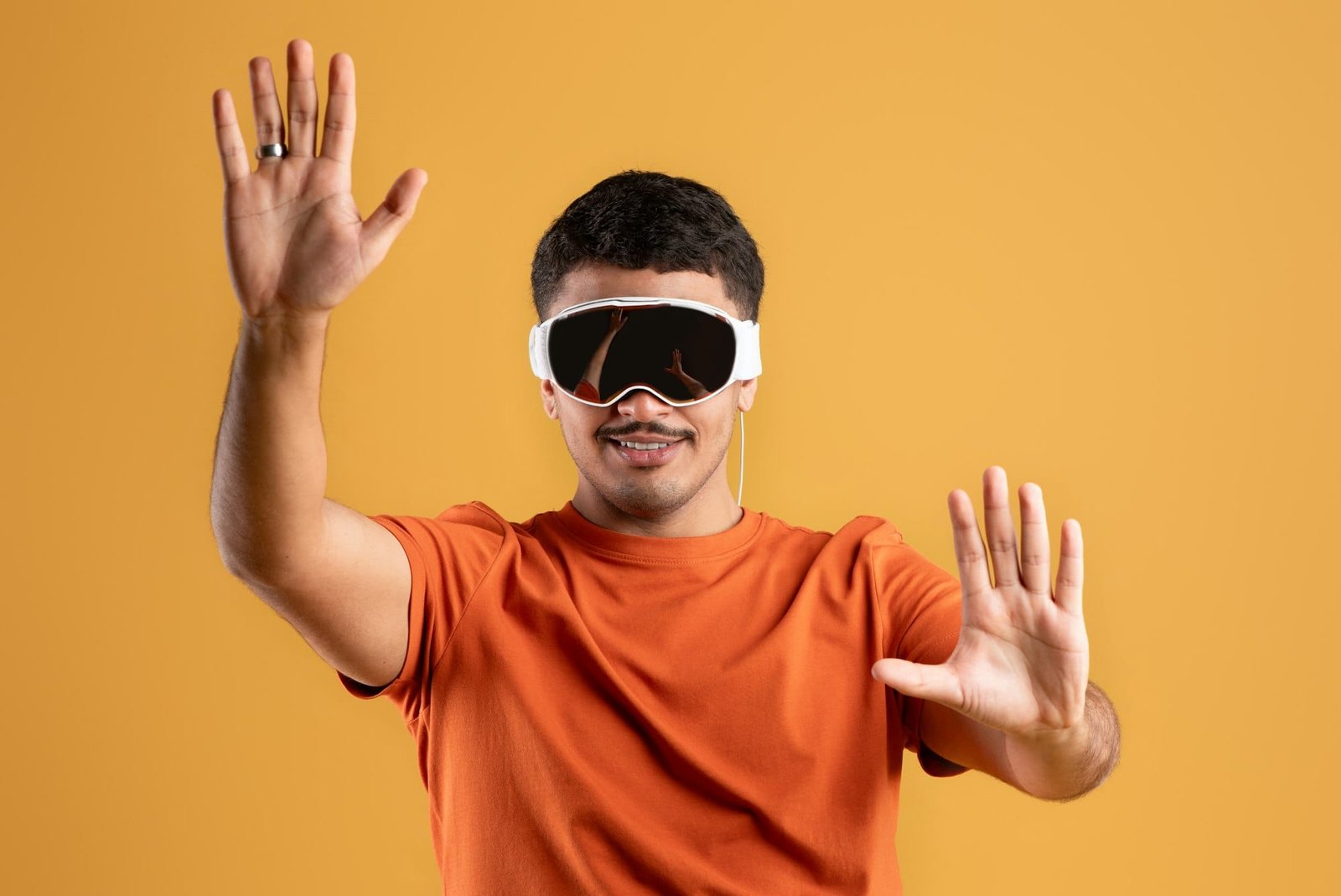
Apple Vision Pro: One Month Later – The Good, Bad, and Revolutionary
Apple Vision Pro: A Fresh Look After 30 Days
Thirty days after its launch, the Apple Vision Pro has moved from buzz‑worthy gadget to a real contender in the augmented‑reality arena. Apple’s promise of seamless hardware‑software integration translates into a headset that feels almost as natural as a pair of glasses. In this first month, users and reviewers have begun to unpick the layers of what makes the Vision Pro stand out—and where it still has room for growth.
Immersive Visuals That Redefine Clarity
The Vision Pro’s display is the headline feature. Each eye receives a 4K‑resolution micro‑OLED panel that delivers colors, contrast, and depth beyond the standard seen on most AR headsets. Light travels from millions of pixels in microseconds, and the result is a fluid world where virtual objects sit perfectly in front of real‑world scenery. Combined with EyeSight’s extended viewing distance, this renders graphics so sharp that they blend into the viewer’s field of vision as if they were truly part of the room.
Spatial Audio: Hearing Reality Breathe In and Out
Apple’s famed spatial audio takes a leap forward, too. Instead of simple 3‑D audio cues, the headset analyzes the user’s surroundings and modulates sound to accommodate ambient noise, surface reflectivity, and the wearer’s head movement. This creates a three‑dimensional sound field that feels anchored to the virtual scenery—in movies, games, or collaborative meetings, the auditory experience feels almost tactile.
Intuitive Interaction: Gestures, Eye‑Tracking, and Voice
Navigating the Vision Pro never felt more effortless. The combination of high‑precision eye‑tracking and low‑latency gesture controls means you can point, swipe, or even just look at UI elements and have them respond instantly. Voice shortcuts, powered by Siri, let you unmute devices, pull up documents, or launch apps without ever taking your hands from your desk. For power users, the new “AirMouse” feature allows fingers to trace 3‑D paths that translate into detailed manipulation of virtual objects—essential for designers or architects working in a mixed‑reality workspace.
Deep Ecosystem Integration Powering Productivity
What makes the Vision Pro truly ambitious is its ability to weave seamlessly into the Apple ecosystem. Couples a MacBook Pro with the headset and the experience is fluid: you can pull up a 3‑D model from a CAD app and inspect it from any angle, or pass files between your iPad, phone, and headset without Airdrop interruptions. Nielsen‑studied iteration times between app launches have decreased by 30% when users work across Apple devices, proving that the buy‑in to a single ecosystem can significantly reduce context switching fatigue.
Privacy, Security, and Accessibility: Apple’s Three‑Fold Promise
Apple does not shy away from the critical aspects of a device that collects potentially sensitive data. The Vision Pro employs on‑device encryption for all audio, video, and eye‑tracking data—meaning nothing is routed to the cloud without explicit consent. Biometric guards such as Face ID add an extra layer of protection that keeps the experience personal and private.
Equally important is the headset’s accessibility framework. Built‑in Voice Control support, haptic feedback cues, and an option to adjust brightness, contrast, and text size mean that people with visual, auditory, or motor impairments can enjoy the same experience as sighted users. Apple’s decision to open the Vision Pro APIs to developers also encourages third‑party solutions for diverse needs, whether it's a custom low‑vision mode or AI‑driven sign‑language translators.
Real‑World Applications That Test Boundaries
The first month of active use has seen the Vision Pro adopt roles far beyond entertainment. Medical professionals use it to overlay patient vitals during surgery, educational establishments turn maths lessons into interactive anatomy walk‑throughs, and remote collaboration tools have integrated the headset into virtual boardrooms where participants can touch and rotate 3‑D models in real time. Experiments in tourism let users “walk” through a historical reconstruction of Pompeii, while gaming studios deliver a new level of immersion for shooters that don’t rely on a stationary console.
Where the Vision Pro Still Knows It’s Not Finished
Not everything is silver lining. The device’s price tag—around $3,499—places it firmly outside mainstream consumer markets. Many users argue that the cost, coupled with the need for a MacBook Pro or iPad Pro to fully leverage the experience, confines the product to creators and business professionals.
Battery life remains a debated point. While Apple promises up to five hours of mixed usage, real‑world testing often reveals faster-than-expected drain, especially when graphic‑intensive AR apps run concurrently. This imperfection is particularly irritating for professionals who need the headset for long conference calls or design review sessions.
Comfort, too, can be a concern. Despite the headset, extended wear—especially during intense gaming or long design sessions—can cause fatigue around the temples and neck. Apple has acknowledged these issues and promises firmware updates that aim to optimize weight distribution and heat management.
The software side is not immune to bugs either. Intermittent hand‑recognition glitches and occasional app stalls suggest that Apple will need to push regular updates to keep the experience smooth, especially as the ecosystem’s app portfolio expands.
Conclusion: The Vision Pro Makes Strides, But Future Growth Depends on Adaptation
Apple Vision Pro’s first month on the market confirms that it is a revolutionary platform in the augmented‑reality space. From stunning visuals and adaptive spatial audio to deep ecosystem integration and a commitment to privacy, the device delivers a user experience that is both compelling and forward‑thinking.
Yet, as with any pioneering technology, there are as many challenges as there are opportunities. Price, battery, comfort, and early software hiccups are real hurdles that could limit widespread adoption unless addressed in the coming months.
Overall, the Vision Pro marks a significant leap forward—showcasing what can be achieved when hardware, software, and ecosystem coalesce seamlessly. By listening to user feedback and refining its core—both in terms of hardware ergonomics and software reliability—Apple has the chance to keep the headset at the vanguard of immersive technology, ultimately reshaping how we work, learn, and play.